The Evolution of Neck Pillow Flight Comfort Accessories
Release time:2026-02-08 Click:7
Long-haul air travel presents unique physical challenges, particularly for the cervical spine. Sitting in an upright position for hours, often with limited legroom and a tendency to slump forward while sleeping, places immense strain on the neck muscles. The neck pillow flight accessory has evolved from a simple inflatable ring into a sophisticated ergonomic tool designed to mitigate these stresses. Modern travel pillows are engineered to support the head and neck in a neutral position, preventing it from falling forward or to the side. This support is crucial not just for comfort but for preventing long-term musculoskeletal issues and reducing the stiffness and pain associated with "sleeping wrong" on a plane.
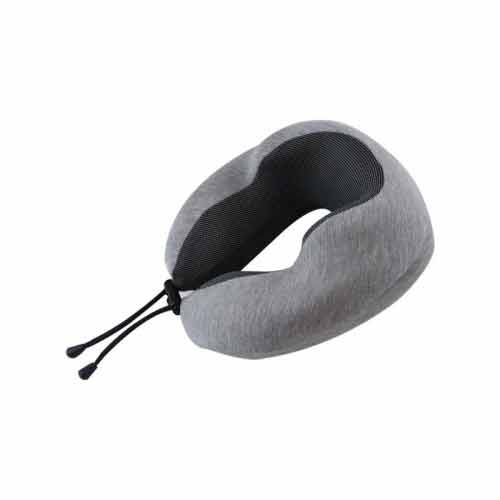
The design of a neck pillow flight model focuses on three key factors: material density, shape, and portability. High-density memory foam is the gold standard for support because it conforms to the user's anatomy while providing enough resistance to keep the head upright. Unlike microbead-filled pillows that shift and flatten, memory foam maintains its shape. The shape has also evolved from a simple U-shape to more complex contours that wrap around the jawline and provide lateral support to the chin. Some models feature a "chin rest" or a higher back panel to prevent the head from dropping too far forward. For ultra-light travelers, self-inflating foam or compressed cotton options are available, though they often sacrifice some rigidity for packability.
Hygiene and maintenance are critical considerations for a neck pillow flight companion, as it is in direct contact with the skin for extended periods. Most high-quality travel pillows come with removable, machine-washable covers made of breathable fabrics like cotton velour or moisture-wicking bamboo blends. The pillow core itself is often treated with antimicrobial agents to prevent the buildup of bacteria and odors, a common issue with older foam pillows. Some inflatable models use washable plastic or velvet flocking that can be wiped down with disinfectant wipes between flights, which is a major selling point for germ-conscious travelers in the post-pandemic era.
The aesthetic and functional integration of the neck pillow flight accessory has also seen innovation. It is no longer just a medical-looking aid; it is a fashion statement. Brands now offer pillows in a vast array of colors and patterns, from solid neutrals to vibrant travel-themed prints. Furthermore, many pillows now come with integrated features such as built-in eye masks, hoodies that drape over the shoulders to block light and drafts, and even pockets for storing earplugs or a phone. Some advanced designs include cooling gel inserts for those who get hot on a plane or heating elements for therapeutic warmth, turning the pillow into a climate-controlled device.
Finally, the importance of a neck pillow flight accessory extends beyond the flight itself. It is useful for napping in airport terminals, train stations, or even in the backseat of a car. The compact nature of these pillows—many can be compressed to the size of a soda can—makes them an essential part of a carry-on bag. For frequent flyers and business travelers, investing in a high-quality pillow is an investment in their productivity; arriving at a destination with a stiff neck and fatigue can ruin the first day of a conference or vacation. As the travel industry continues to prioritize passenger wellness, the humble neck pillow remains one of the most effective, low-cost tools for maintaining health and comfort on the move.
Previous article:Travel in Style with a Vibrant Cartoon Design Neck Pillow
Next article:Improving Sleep Quality with an Orthopedic Wedge Pillow
Hot products
Mobile: +86 15097722953
Email:metalproducts2021@163.com
Email:1755383270@qq.com