Ergonomic Design Principles for Neck Pillow Flight Accessories Ensuring Comfort During Air Travel
Release time:2026-02-25 Click:13
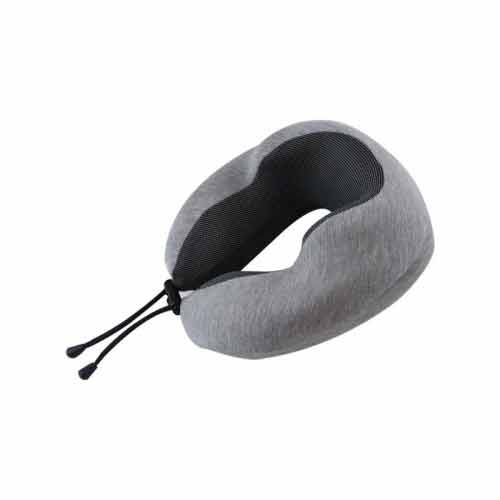
Neck pillow flight accessories have become essential travel companions for frequent flyers seeking to minimize discomfort and improve rest quality during extended air travel, with ergonomic design principles guiding the development of products that support the head and neck in alignment with the body's natural posture. The fundamental challenge of airline seating for sleep involves the recline limitations of most aircraft seats, which leave the head unsupported when the passenger attempts to lean sideways or backward, creating strain on the neck muscles and disrupting the natural curvature of the cervical spine. A properly designed neck pillow addresses this challenge by providing cushioned support that fills the gap between the head and the seat structure, maintaining the head in a position that minimizes muscle strain and allows the cervical muscles to relax during sleep. The geometric complexity of this support requirement has driven the development of specialized pillow shapes and materials optimized for the unique constraints of airline travel.
The material selection for neck pillow flight products significantly impacts comfort, support characteristics, and practical considerations such as weight, compressibility, and temperature regulation. Memory foam remains a popular filling material due to its ability to conform to individual body contours and provide responsive support that adjusts to movement during sleep, though traditional foam pillows may be too bulky for carry-on luggage constraints. Microbead-filled pillows offer lightweight compressibility that enables compact packing, though they provide less consistent support and may shift during use. Inflatable pillows, including both manual and automatic inflation models, offer the ultimate in packability and weight savings, with the ability to adjust firmness to individual preferences, though some users find the plastic texture and noise of inflatable products less comfortable than fabric-covered foam alternatives. Cover materials including cotton, bamboo-derived fabrics, and technical performance textiles affect breathability, moisture management, and the tactile experience of extended contact with the face and neck.
The selection of appropriate neck pillow flight accessories requires consideration of individual sleep preferences, travel patterns, and practical constraints that influence product suitability for specific users and situations. Side sleepers, who constitute a significant portion of travelers seeking neck support, require pillows with sufficient width to bridge the distance between the head and the seat armrest or window frame, maintaining alignment of the head, neck, and spine. Back sleepers may prefer lower-profile pillows that support the cervical curve without pushing the head too far forward. Travelers with specific cervical spine conditions may benefit from orthopedic pillow designs that incorporate contours specifically engineered to support proper spinal alignment. Practical considerations including airline baggage policies, luggage space constraints, and hygiene preferences influence the choice between travel pillows that can be easily carried aboard versus more substantial designs that may require checking luggage. The diversity of available neck pillow designs ensures that travelers can find options appropriate to their individual needs, enabling more comfortable and restful air travel experiences that reduce the physical toll of extended flights.
Previous article:The Benefits of a Car Neck Pillow
Next article:Elevating Comfort and Support with Plush bolster pillow
Hot products
Mobile: +86 15097722953
Email:metalproducts2021@163.com
Email:1755383270@qq.com