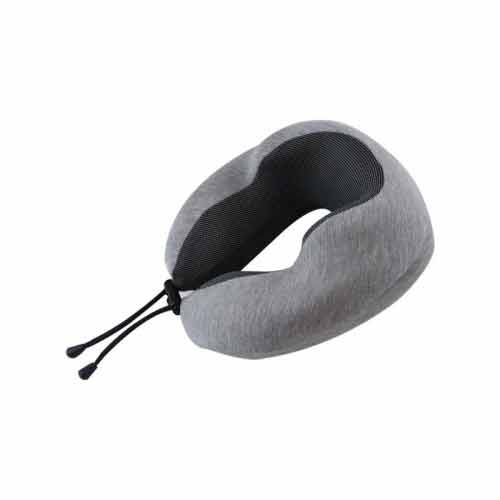
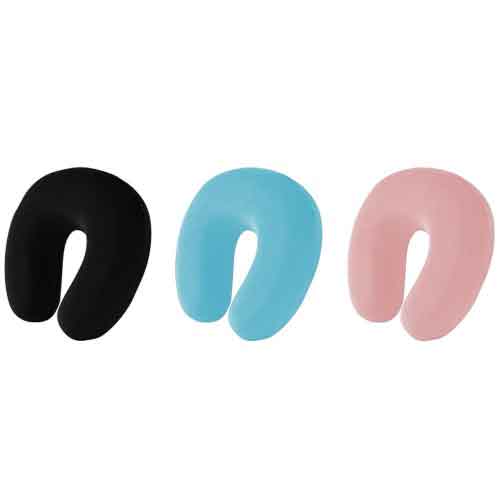
Product details description
The relationship between pillow characteristics and sleep quality extends
beyond comfort to include the alignment of the cervical spine—the seven
vertebrae that form the neck region of the spinal column—during sleep positions.
Proper cervical alignment reduces muscle strain, minimizes joint stress, and
promotes the restful sleep that supports overall health and wellbeing. Pillow
height—or more precisely, the height and firmness combination that determines
how the head and neck are supported—influences cervical alignment differently
depending on sleep position and individual anatomy. Understanding these
relationships helps sleepers select pillows that optimize spinal alignment for
their specific circumstances, potentially reducing the neck pain, headaches, and
sleep disruption that result from inadequate pillow support.
Sleep position fundamentally determines the appropriate pillow height and
firmness for optimal cervical alignment. Back sleepers benefit from lower pillow
heights that support the natural curve of the neck without tilting the head too
far forward or backward, with cervical curvature maintained in a neutral
position that minimizes muscle strain. Side sleepers require higher pillows that
fill the gap between the shoulder and head, maintaining horizontal cervical
alignment that prevents the lateral bending that can cause morning neck
stiffness and pain. Stomach sleeping places the neck in an extreme rotated
position regardless of pillow height, making it the most problematic sleep
position for cervical alignment despite its popularity among some sleepers—those
who cannot break the stomach sleeping habit benefit from very thin pillows or no
pillow that minimizes neck rotation during sleep.
The interaction between pillow height, firmness, and individual anatomy
creates a complex optimization problem that trial and error often resolves most
effectively. Body size and shoulder width influence the appropriate pillow
height for side sleepers, with broader shoulders requiring higher pillows to
maintain alignment than narrow-shouldered individuals. Existing neck
conditions—including arthritis, disc degeneration, and past injuries—may require
modified support that differs from recommendations for healthy individuals.
Pillow materials, including memory foam, latex, down alternative, and feather
fills, provide different support characteristics that interact with height to
determine overall cervical positioning. The most effective approach to pillow
selection combines attention to sleep position, consideration of individual
anatomy and any existing neck conditions, and willingness to experiment with
different combinations of height, firmness, and material until the optimal
configuration for personal comfort and spinal alignment is identified.
Previous article:
Adjustable Neck Pillows: Customizing Firmness for Different Sleep Positions
Next article:
Neck Pillow Washing and Maintenance: Care Instructions