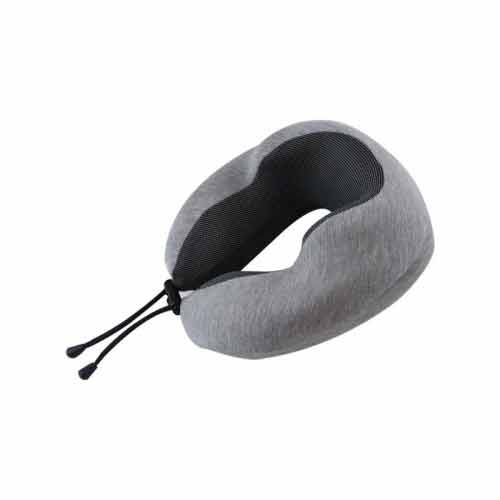
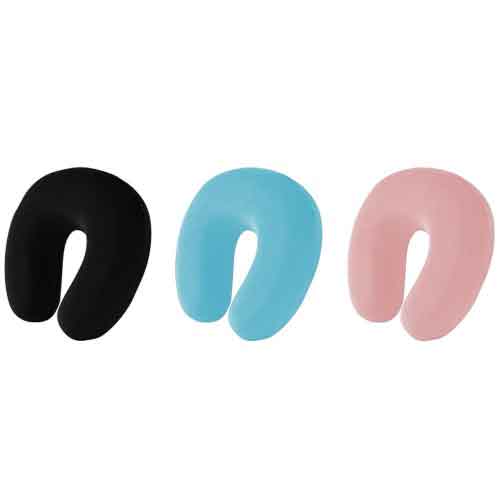
Product details description
Neck pillows, whether used for travel, post-surgical recovery, or ergonomic
support, accumulate sweat, skin oils, and dead cells, making regular cleaning
essential for hygiene and material longevity. The primary challenge is the
pillow's shape and the density of the filling material (memory foam, microbeads,
or shredded latex). Most manufacturers recommend spot cleaning for minor stains,
using a mild detergent and a damp cloth. It is crucial not to saturate the foam,
as water trapped inside can cause mold growth and break down the foam's cellular
structure, leading to a loss of support. If the pillow has a removable cover
(usually zipped), this should be taken off and washed separately according to
the fabric care label—often a gentle cycle in cold water.
For deep cleaning, the method depends heavily on the core material. Memory
foam is generally hand-washable but not machine-washable. The pillow should be
submerged in a bathtub with lukewarm water and a small amount of non-bleach
detergent. Gently knead the foam (do not wring or twist) to release dirt, then
rinse thoroughly until the water runs clear. Squeezing out water requires a
"towel sandwich" method: placing the pillow between two towels and pressing down
to absorb moisture without compressing the foam's structure. Drying is the most
critical step; memory foam must be air-dried flat in a well-ventilated area out
of direct sunlight, as UV rays degrade the foam and heat can cause it to
crumble. A fan can be used to speed up the process, but a hair dryer should
never be used.
Microbead pillows (polystyrene beads) present a different challenge. The
beads can shift and clump if agitated too roughly. These pillows are often
machine washable on a delicate cycle, but they must be placed in a mesh laundry
bag to prevent the fabric from tearing and beads from escaping. A tennis ball or
a pair of clean sneakers can be added to the drum to help "fluff" the beads
during the spin cycle, preventing them from matting together. However, frequent
machine washing can degrade the fabric seams over time. For drying, low heat or
air drying is preferred; high heat can melt the plastic beads or shrink the
inner liner.
Latex pillows (natural or synthetic) are more resilient but require
specific care. Natural latex is inherently anti-microbial and dust mite
resistant, but it is sensitive to sunlight (which causes yellowing) and heat
(which causes brittleness). Cleaning involves spot treating with a vinegar-water
solution (1:1 ratio) to neutralize odors and kill bacteria. Latex should never
be exposed to harsh chemicals or bleach. If the pillow is too large for a
machine, professional dry cleaning is an option, provided the cleaner uses a
non-solvent based process, as perchloroethylene can degrade latex.
Maintenance also involves the "loft" or height of the pillow. Over time,
filling materials compress. For shredded foam or fiberfill pillows, adding or
removing filling through a secondary zipper can restore the height. For solid
foam pillows, "massaging" the material daily by gently squeezing and stretching
it helps redistribute the filler and prevents permanent creases. It is also
advisable to use a protective pillowcase (cotton or bamboo) under the main cover
to act as a barrier against oils and sweat, extending the time between deep
washes.
Finally, storage and replacement intervals are part of the lifecycle. Neck
pillows should be stored in a cool, dry place, preferably in a breathable cotton
bag (not plastic, which traps moisture). Vacuum sealing is acceptable for travel
but should not be used for long-term storage, as it can permanently deform the
foam cells. Regarding replacement, even with proper care, the structural the
foam degrades over 3-5 years. If the pillow no longer returns to its original
shape after being compressed, or if it emits a persistent chemical odor
(off-gassing), it should be replaced to ensure proper cervical support and
hygiene.
Previous article:
The Impact of Pillow Height on Cervical Spine Alignment During Sleep
Next article:
360-Degree Support Neck Pillow - All-Around Head & Neck Comfort